We’re at the forefront of advancing space exploration and technology development. Our expertise spans from lunar rovers, landers, and infrastructure to spacecraft navigation, machine vision, and computing systems.
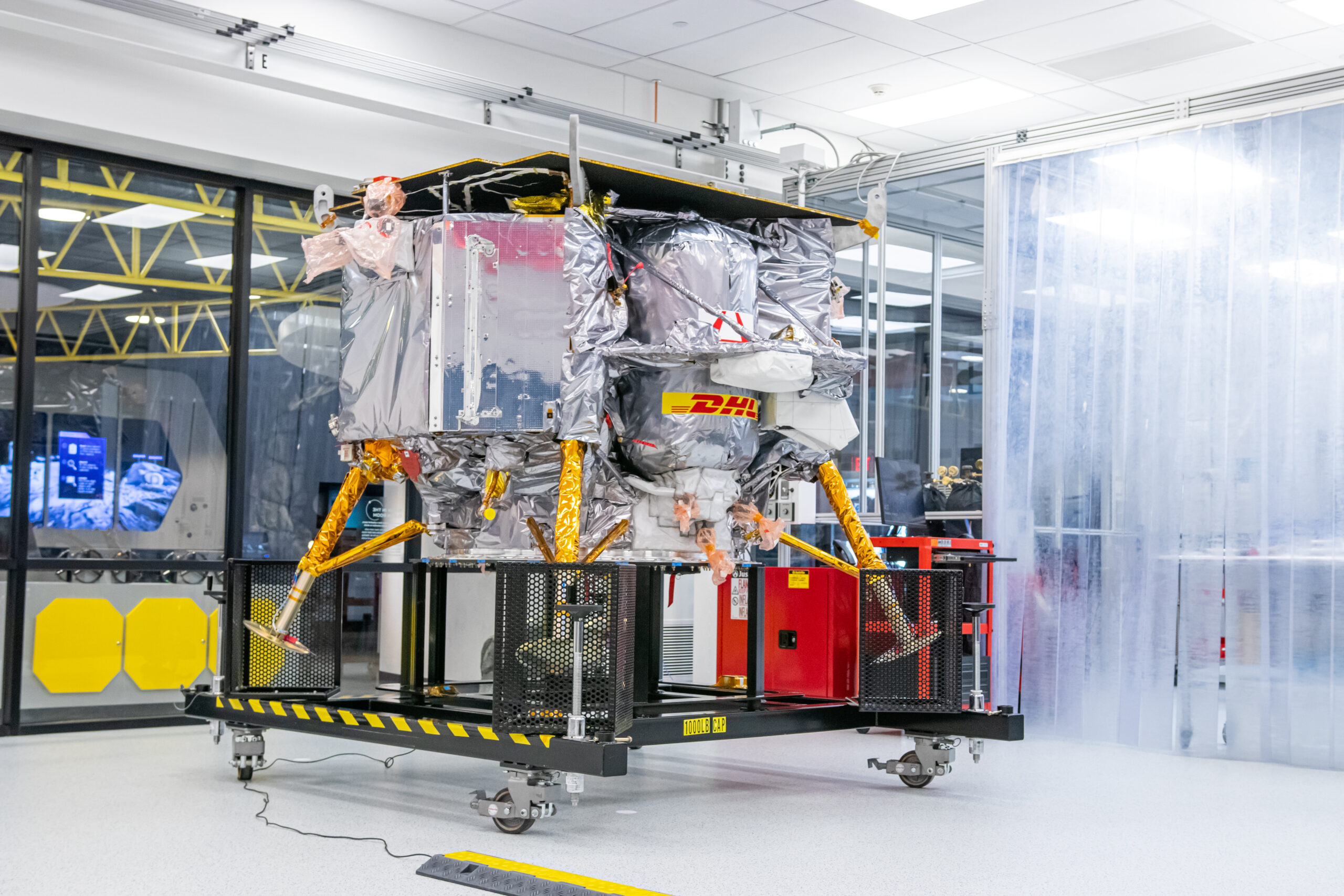
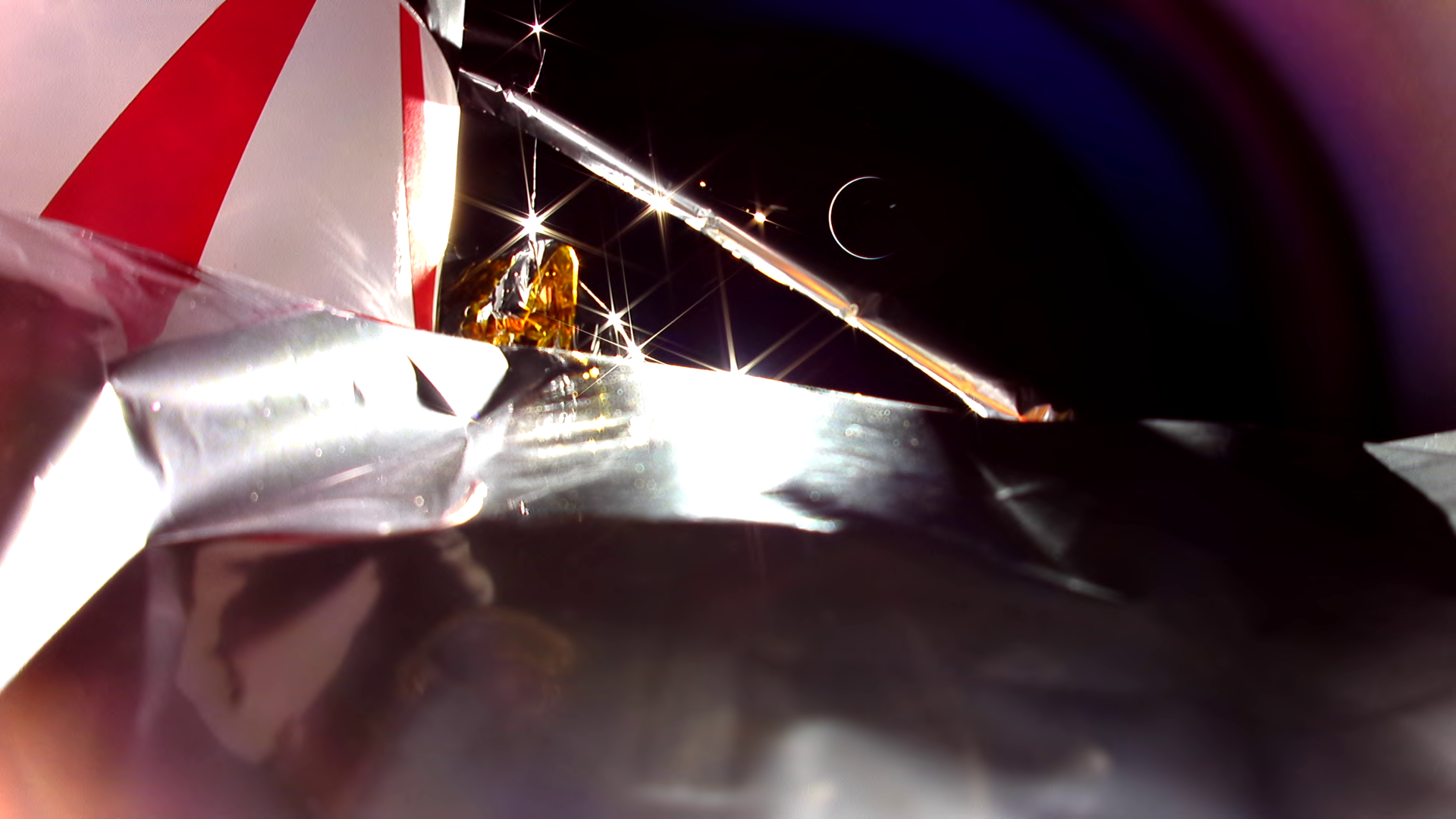
[placeholder] Astrobotic’s Peregrine Mission One (PM1) is the first US commercial lunar lander to operate in space. Peregrine carried a diverse suite of scientific instruments, technologies, mementos, and other payloads from seven different countries, dozens of science teams, and hundreds of individuals.
Peregrine-1 during integration onto the launch vehicle
What's on Board
Colmena
Agencia Espacial Mexicana (AEM)
About
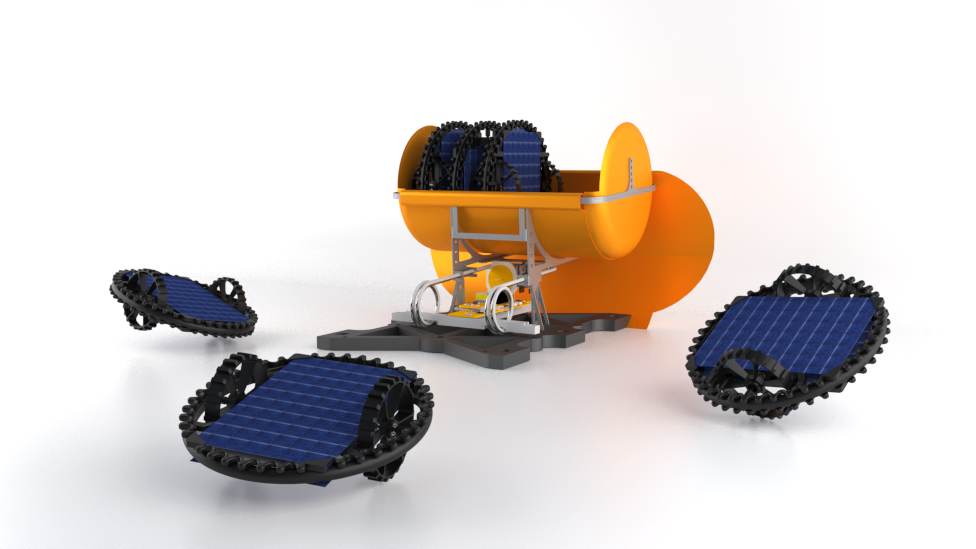
Agencia Espacial Mexicana (AEM), the Mexican Space Agency, will fly the first Latin American scientific instrument to the surface of the Moon. The payload consists of five small robots, weighing less than 60 grams and measuring 12 centimeters in diameter, will be catapulted onto the lunar surface.
LETS
NASA
About
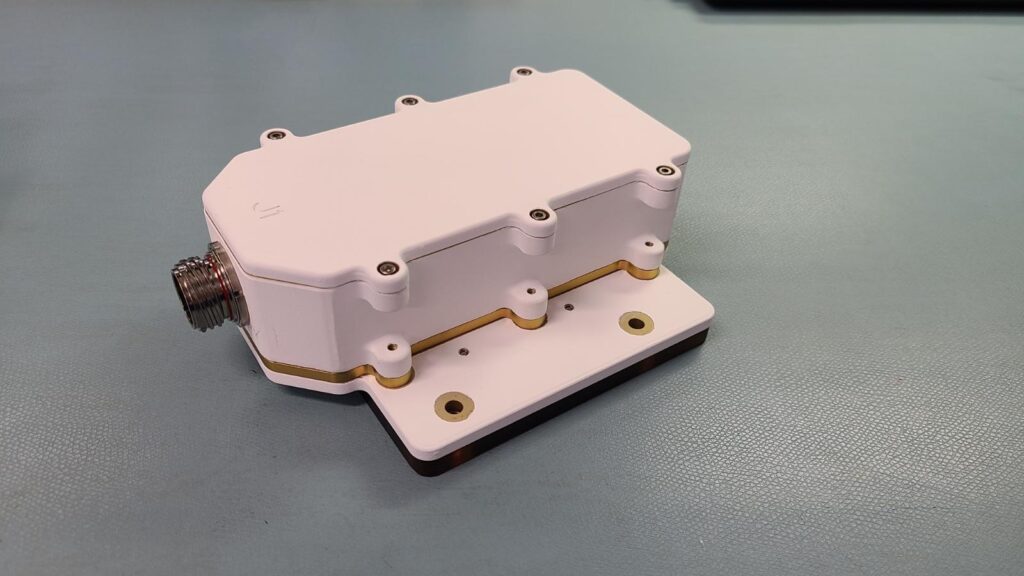
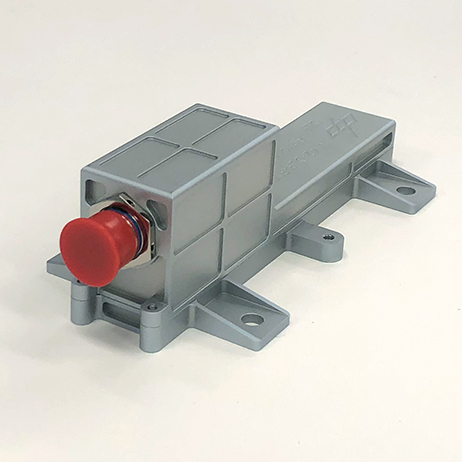
The LETS radiation sensor will collect information about the lunar radiation environment and relies on flight-proven hardware that flew in space on the Orion spacecraft’s inaugural un-crewed flight in 2014. It is being developed at NASA’s Johnson Space Center.
MoonBox
DHL
About
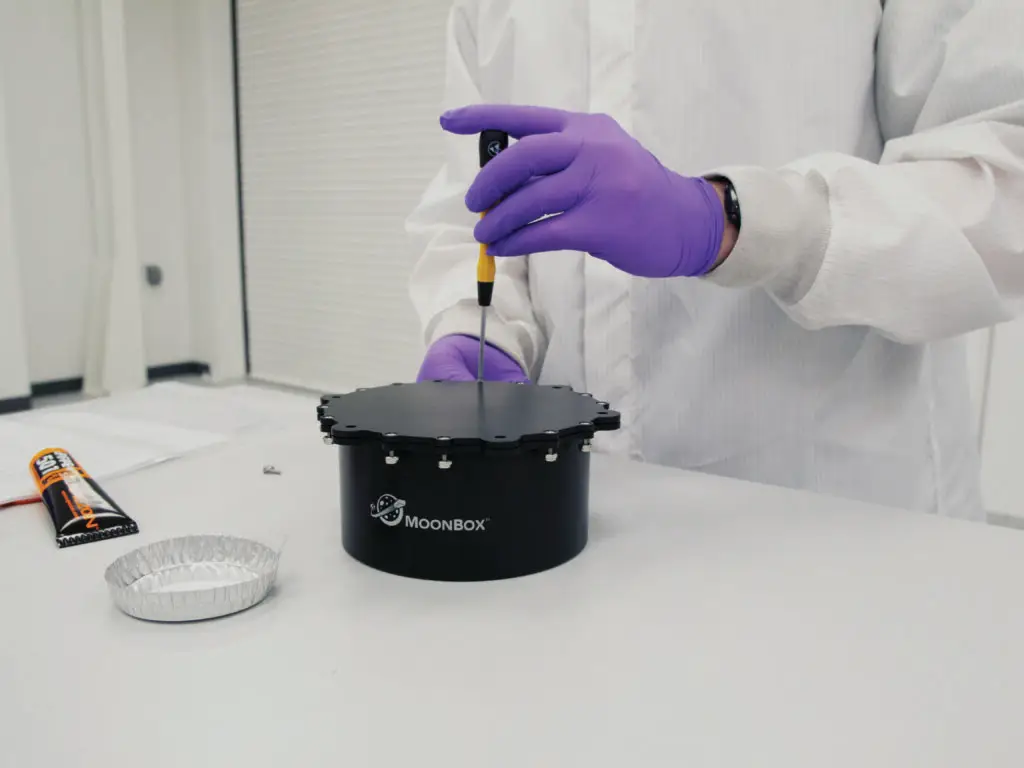
Astrobotic accepted small personal mementos for inclusion on Peregrine Mission One. Items from around the world will be stored aboard Peregrine on the Moon for centuries to come. From photographs and novels to student work and a piece of Mount Everest — life’s most meaningful moments will be forever linked with our nearest celestial neighbor.
Spacebit Plaque
Spacebit
About
Spacebit is a privately held UK company that is working on space data analytics tools and robotic concepts of space exploration that include AI and advanced microrobotics. The company believes in creating a commercially sustainable data and robotics business in space exploration. Its goal is to create new opportunities for industry and academia by developing infrastructure for commercial resource exploration on the Moon and beyond.
IRIS Lunar Rover
Carnegie Mellon University
About
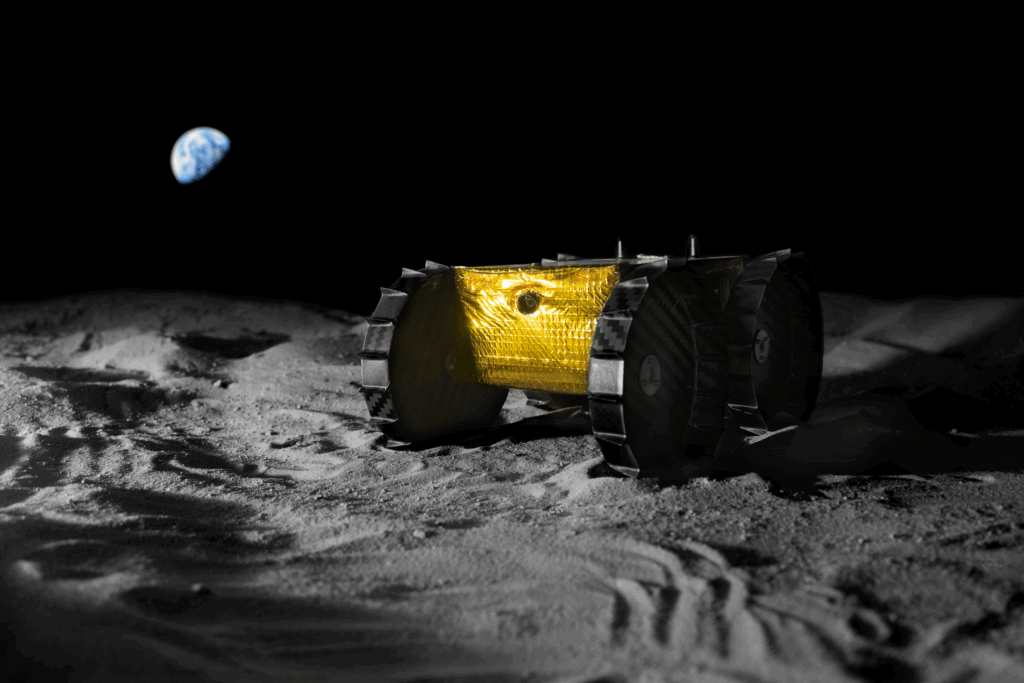
NIRVSS will measure surface and subsurface hydration, carbon dioxide and methane – all resources that could potentially be mined from the Moon — while also mapping surface temperature and changes at the landing site. It is being developed at NASA’s Ames Research Center in Silicon Valley, California.
IRIS Lunar Rover
Carnegie Mellon University
About
NIRVSS will measure surface and subsurface hydration, carbon dioxide and methane – all resources that could potentially be mined from the Moon — while also mapping surface temperature and changes at the landing site. It is being developed at NASA’s Ames Research Center in Silicon Valley, California.
Memory of Mankind
Puli Space Technologies
Hungary
About
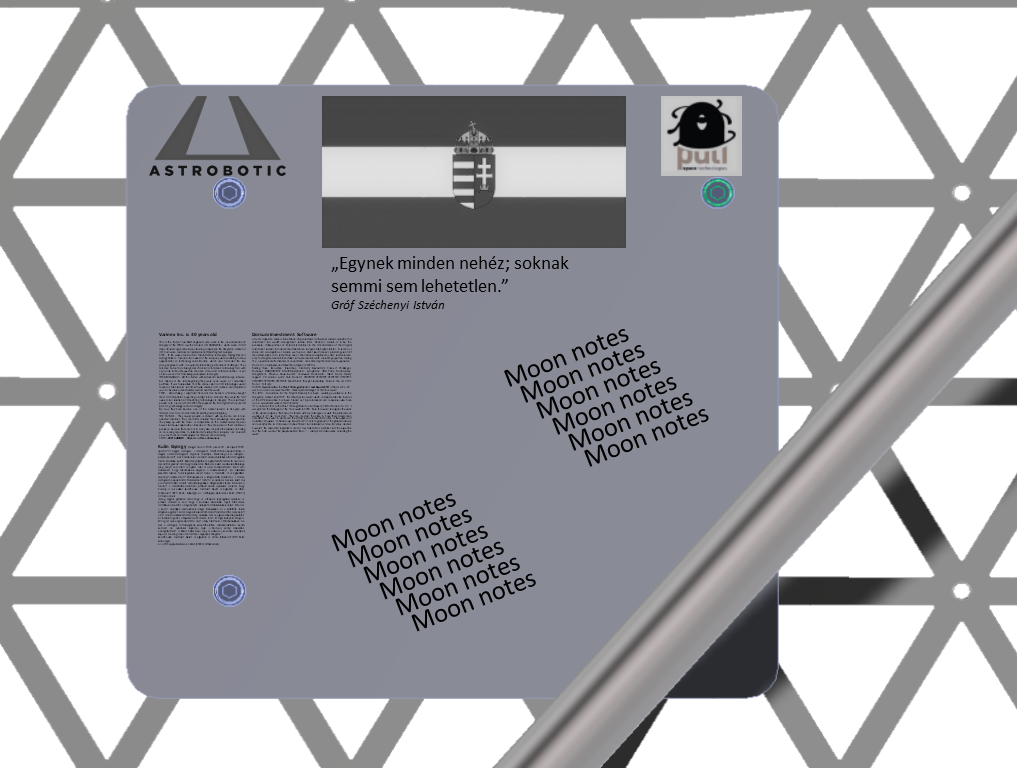
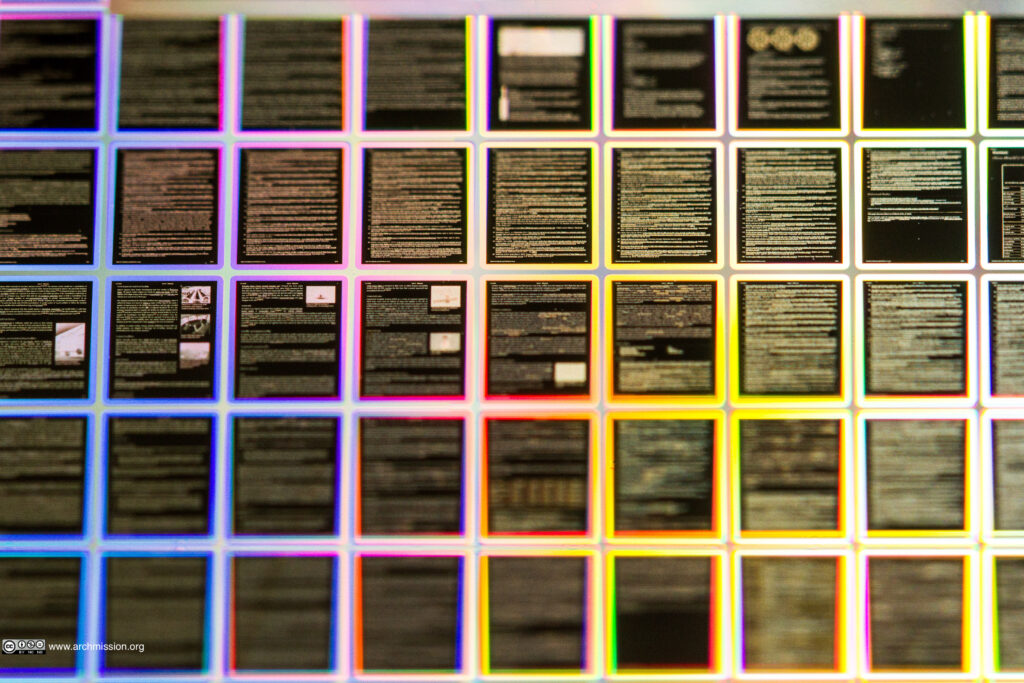
Team Puli, from Hungary, will send a unique plaque for the “Memory of Mankind (MoM) on the Moon” project. The plaque contans archival imagery and texts readable with a 10x magnifier.
Neutron Spectrometer System (NSS)
NASA
About
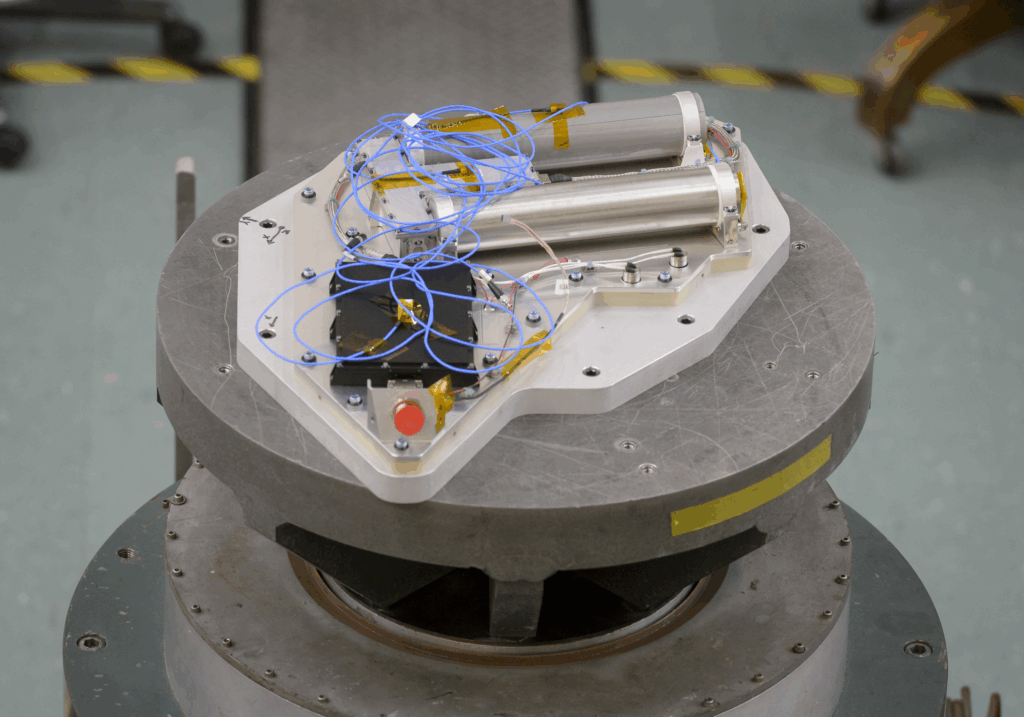
NSS will search for indications of water-ice near the lunar surface by measuring how much hydrogen-bearing materials are at the landing site as well as determine the overall bulk composition of the regolith there. NSS is being developed at NASA’s Ames Research Center.
Lunar Dream Capsule
Astroscale
About
Astroscale will send the Lunar Dream Capsule which contains messages from children from around the world.
M-42 Radiation Detector
German Aerospace Center (DLR)
About
The German Aerospace Center (DLR) joins Peregrine Mission One to land a special German-built radiation detector. It will measure key radiation data on the flight to the Moon and on the lunar surface ahead of the upcoming NASA Artemis missions that will send the first woman and the next man to the Moon.
PITMS
NASA, ESA, OU
About
PITMS will characterize the lunar exosphere after descent and landing and throughout the lunar day to understand the release and movement of volatiles. PITMS is a partnership between NASA Goddard Space Flight Center, The Open University (OU), NASA, and the European Space Agency (ESA).
MoonArk
Carnegie Mellon University
About
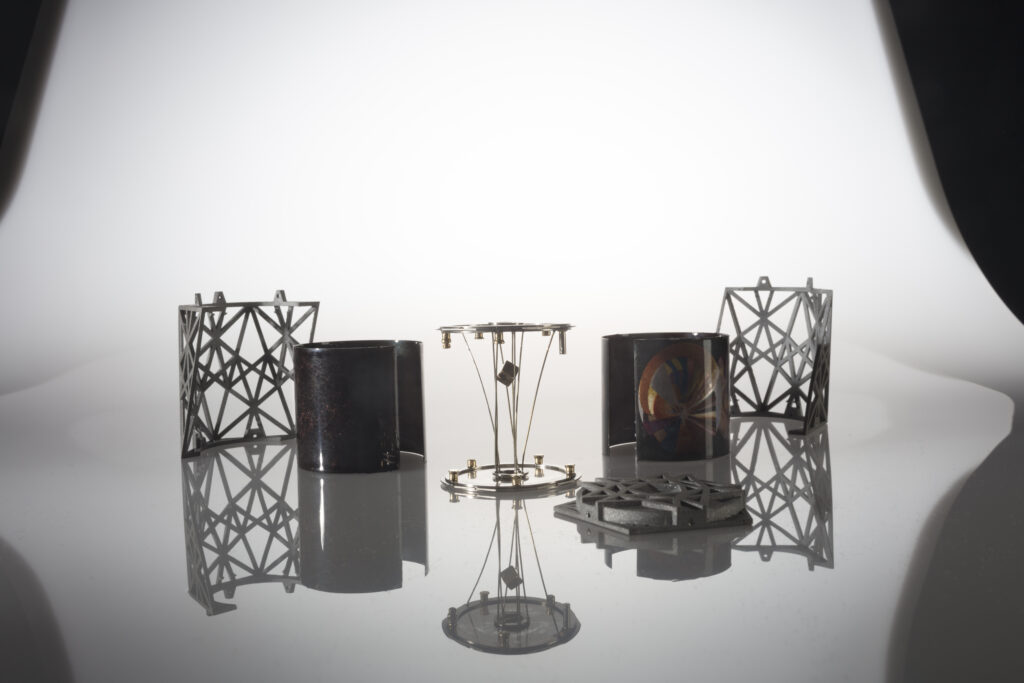
The MoonArk, an epochal collaborative space project at Carnegie Mellon University, embodies the arts, humanities, sciences, and technologies in a set of intricately designed objects intended to spark wonderment and discovery for future generations.
The Arch Libraries
The Arch Mission Foundation
About
The Arch Mission Foundation designs, builds, delivers, and maintains curated, long-term archives that are housed in specially designed devices called Arch Libraries, or Archs (pronounced “Arks”). Archs are being developed with a variety of form factors to survive for long durations in space, as well as on the surfaces of planets, moons, and asteroids.
Laser Retroreflector Array (LRA)
NASA
About
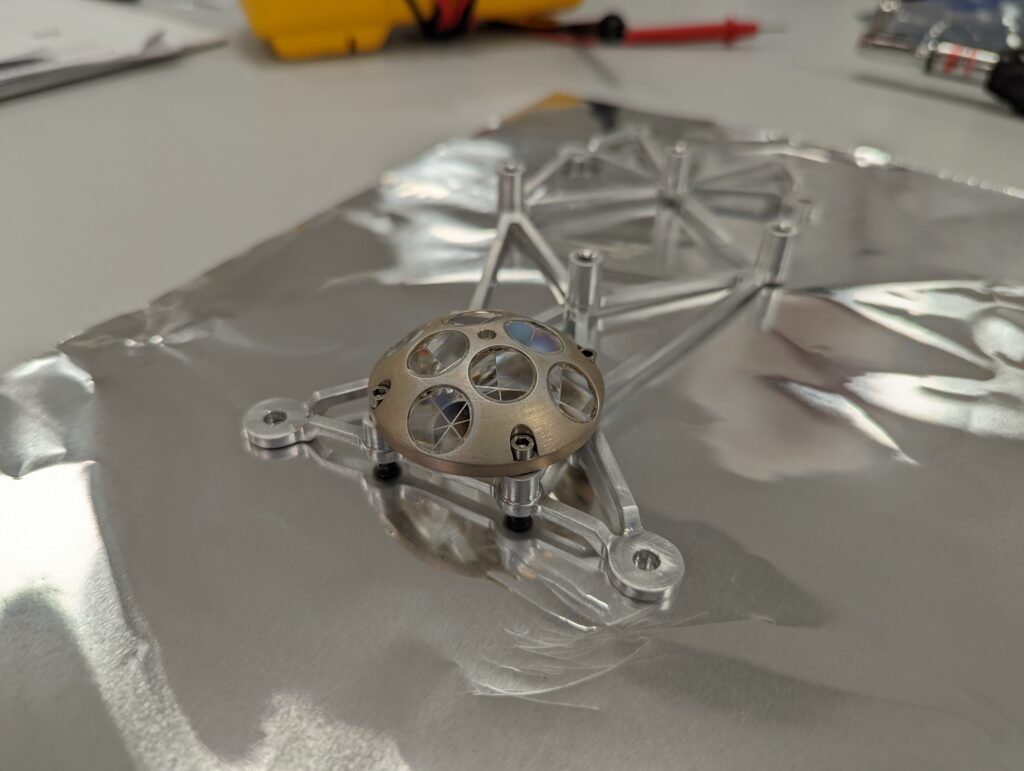
Per NASA: The Laser Retroreflector Array (LRA) is designed to use reflected laser light from Earth to precisely determine the location of the Peregrine 1 lander. It consists of eight 1.25-cm retroreflectors.
Terrain Relative Navigation
Astrobotic
About
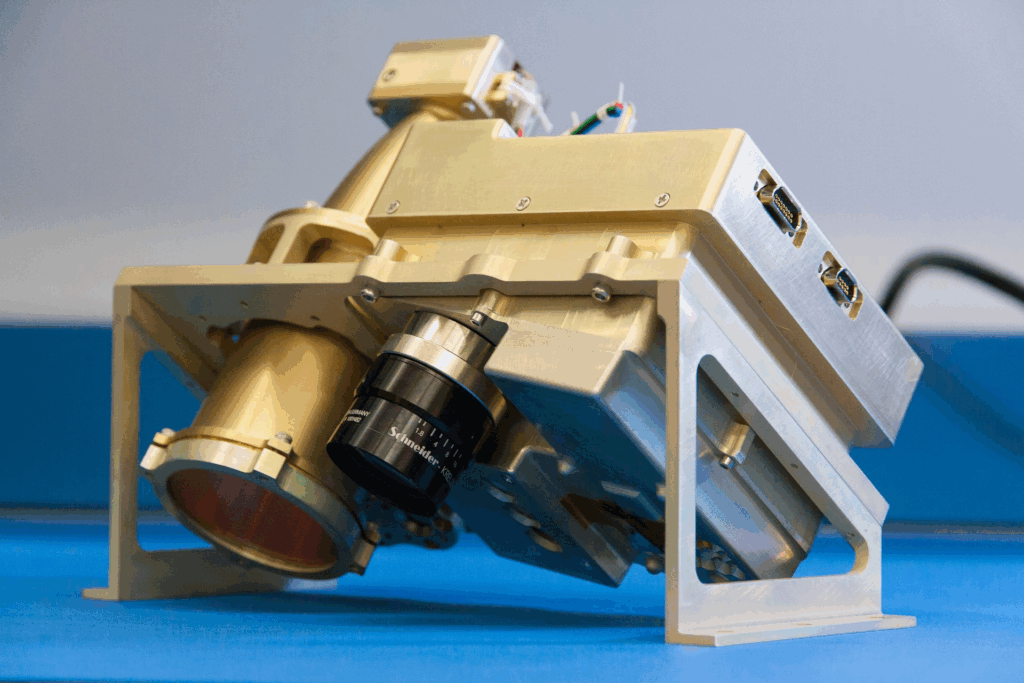
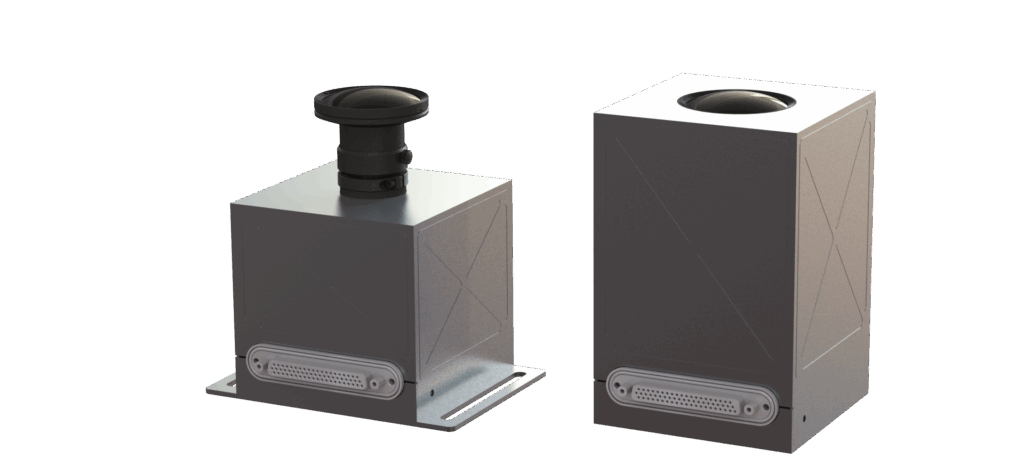
Astrobotic will demonstrate its standalone Terrain Relative Navigation (TRN) sensor as a payload on its first mission to the Moon. TRN will enable spacecraft to perform landings on planetary surfaces with an unparalleled accuracy of less than 100 meters. The TRN sensor is being developed under a $10 million NASA Tipping Point contract with NASA’s Johnson Space Center, Jet Propulsion Laboratory, and Moog.
Navigation Doppler Lidar (NDL)
NASA
About
NDL was developed by NASA’s Langley Research Center and will determine the Peregrine spacecraft’s exact velocity and position to land on the Moon using LiDAR (light detection and ranging). NDL was developed by NASA over 10+ years for precise, safe landings on the Moon and in other challenging environments.
Memorial Space Flight Services
Elysium Space
About
Elysium is providing lunar memorial services to deliver a symbolic portion of remains to the surface of the Moon.
Memorial Spaceflight
Celestis
About
Celestis is the first company to have successfully conducted Memorial Spaceflight Missions, the only company to have been selected by NASA to honor one of its scientists, and for more than two decades an iconic pioneer and global leader of the commercial space age.
Lunar Bitcoin
Bitmex
About
A unique physical coin going to the Moon, loaded with 1 Bitcoin.
Footsteps on the Moon
BTC INC.
About
Lunar Mission One gives everyone on Earth the chance to make their mark on the Moon and is sending the first digital storage payload to the Moon. With submissions of footprints from all over the world, the payload supports Lunar Mission One’s “Footsteps on the Moon” campaign.
Bitcoin Magazine Genesis Plate
Carnegie Mellon University
About
This plate includes a copy of the Genesis Block, the first block of bitcoin (BTC) to be mined. This cornerstone of the Bitcoin network provides the foundation for an ecosystem that would challenge our perception of how money is valued and managed in a digital age.